Tonta service
Episodic series
Studios, web-series creators, and brands running a narrative campaign.
 Made with Nano Banana
What you get
- Identity-hold rate per character
- Retries per episode
- Cost per finished minute
- Episodes shipped on cadence, and audience retention by episode
A workspace can run as many distinct series as it likes — each has its own bible, cast and continuity, never shared or blended across projects
A locked canon means a new episode can't contradict an established fact without your explicit approval
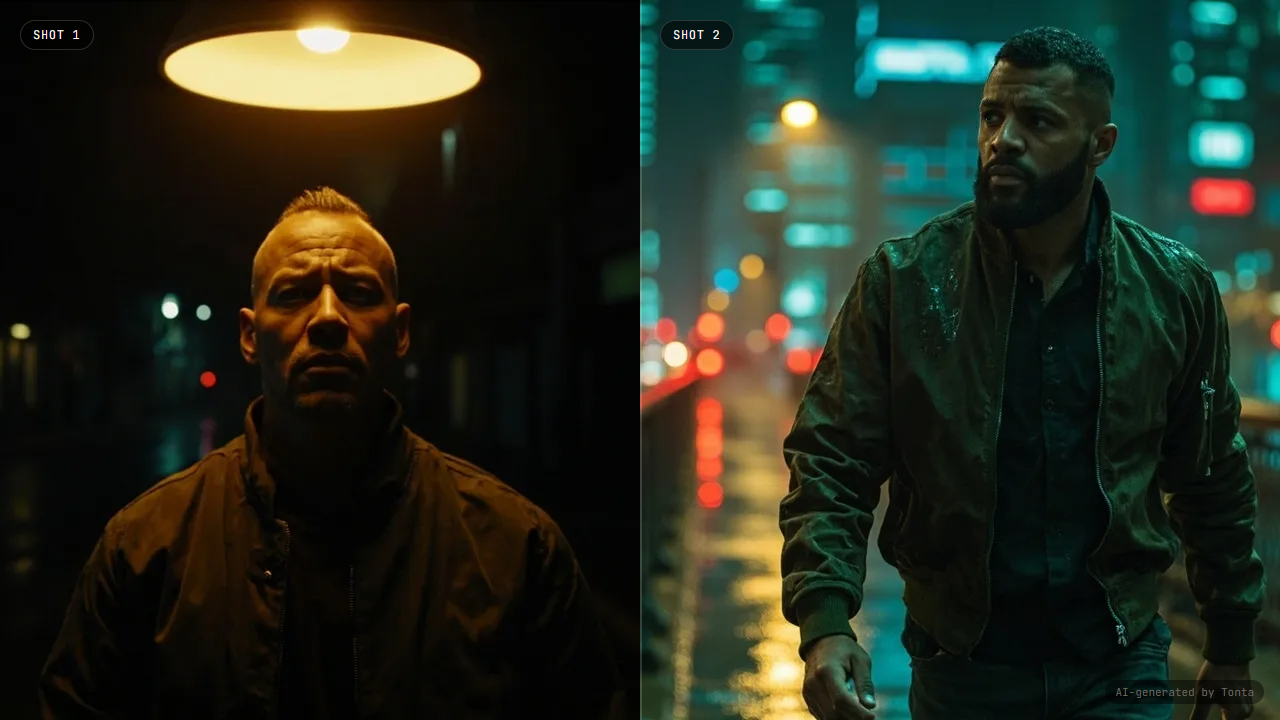
The consistency check runs per shot, at a drift threshold you set, rather than catching a mismatch only after assembly
Not at first. Automatic publishing is off by default and nothing publishes without your review until a brand has earned it and you turn it on. Publishing without your approval is a separate setting you turn on yourself. It is not sold with any plan: a brand on any plan can earn it once your workspace has paid and a few of that brand's automated pieces have been approved by you and published without a problem. A rejection, a request for changes, a report that is upheld, a piece held for a safety review or a platform refusal switches it off again. Producing a piece costs the same whoever ordered it; posting to your real account without a look is a different exposure. Safety checks, the AI-generated label and link checks apply to every piece either way.
The range this dial covers
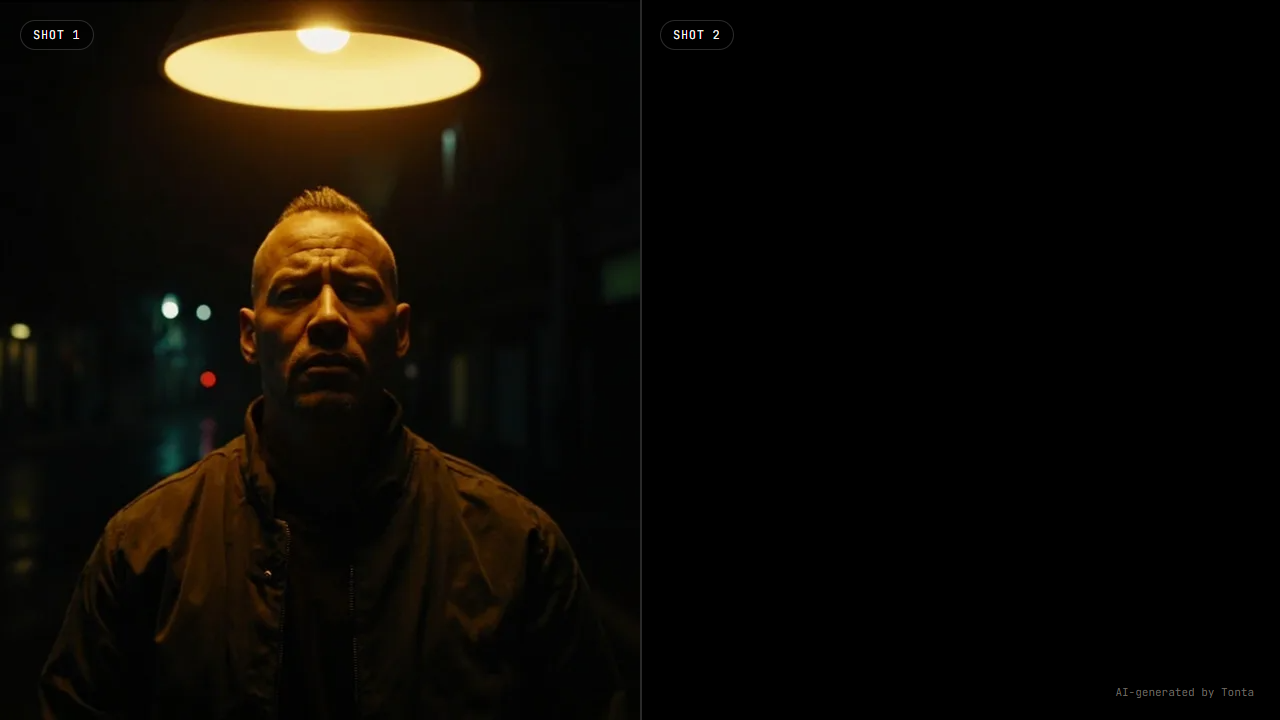
continuityStrictness sets the drift threshold that triggers a retry, and how many escalations are budgeted for it.
Settings you control
Every setting below ships with a real default — never a blank. Nothing here is asked unless it’s something the agent genuinely can’t infer, or changes the output or the price.
Pricing
Priced per finished piece from your live plan — see the exact, itemised quote in Preview before anything spends. Nothing here is a static number; it's computed from your settings every time.
See a previewModels this service can use
Where it publishes
Every plan reaches every supported platform. A plan differs in how many brands, seats and connected accounts it includes, never in which platforms you can use.
What runs unattended vs. needs your approval
Each cycle extends the arc (or reads the next authored beats), builds the shot list, runs the character rig, camera and control pass per referenced character, generates with the consistency check at your chosen drift threshold, and — when canon lock is on — parks the job for your review rather than shipping a canon contradiction.
Reference: required. Every named character needs a usable, in-date reference sheet before a run can start — this is the consistency anchor the whole pipeline is built around.
Sample outputs


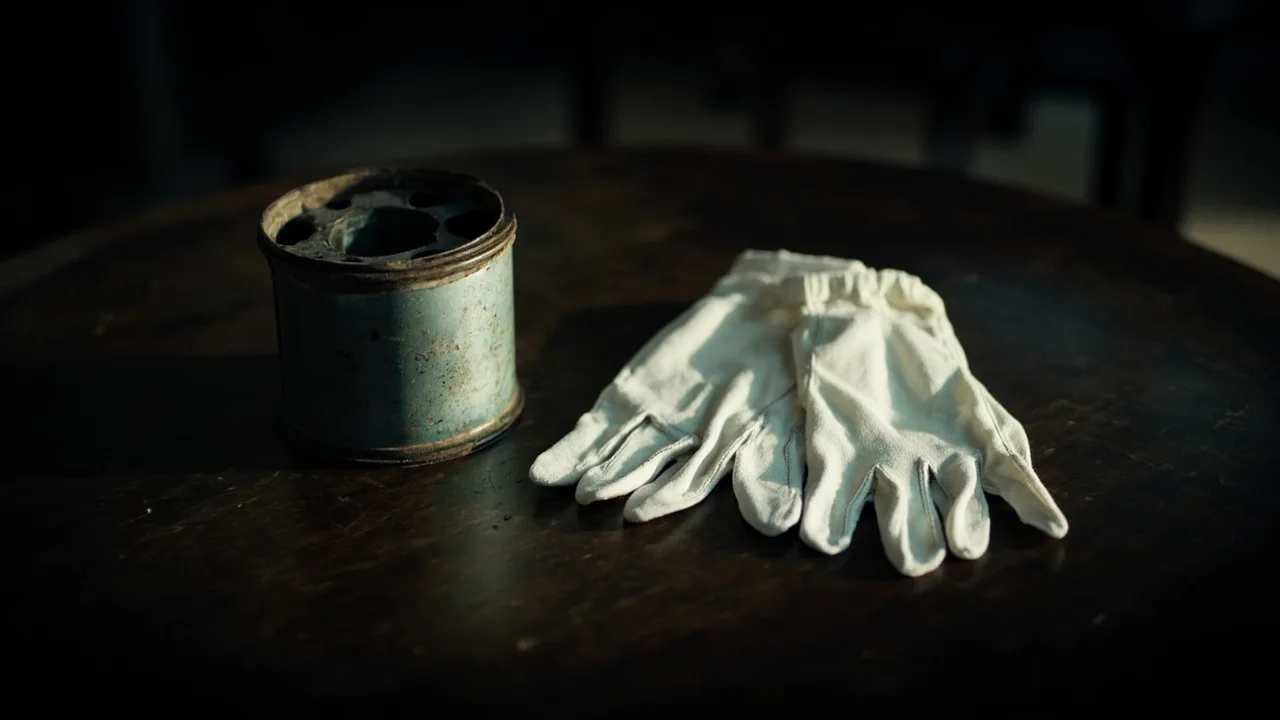
Frequently asked
Does it need my face on camera?
No — characters are built from a reference sheet you provide, rendered and rigged by the pipeline, never a live camera feed of you or anyone else.
Do I need to provide a reference?
Yes, required — every named character needs a reference sheet before a run can start; it's the consistency anchor the whole pipeline depends on.
Does it publish automatically?
Not at first. Automatic publishing is off by default and nothing publishes without your review until a brand has earned it and you turn it on. Publishing without your approval is a separate setting you turn on yourself. It is not sold with any plan: a brand on any plan can earn it once your workspace has paid and a few of that brand's automated pieces have been approved by you and published without a problem. A rejection, a request for changes, a report that is upheld, a piece held for a safety review or a platform refusal switches it off again. Producing a piece costs the same whoever ordered it; posting to your real account without a look is a different exposure. Safety checks, the AI-generated label and link checks apply to every piece either way. A locked canon adds one more pause: an episode that would contradict an established fact parks for your approval instead of shipping.
Can I run more than one series?
Yes — a workspace runs as many distinct series as it likes. Each is its own project with its own bible, cast and continuity, and never shares state with another.